


Essential Skin Signs You Should Never Ignore Insights from Dr Rina's Latest Podcast Episode
Skin is our body's largest organ and often reflects our overall health. Many people overlook subtle changes in their skin, dismissing them as minor or temporary. Yet, some skin signs can indicate serious health issues that require prompt attention. In a recent podcast episode, dermatologist Dr Rina shared valuable insights on skin symptoms that should never be ignored. This post highlights those essential skin signs, helping you recognize when to seek professional advice.
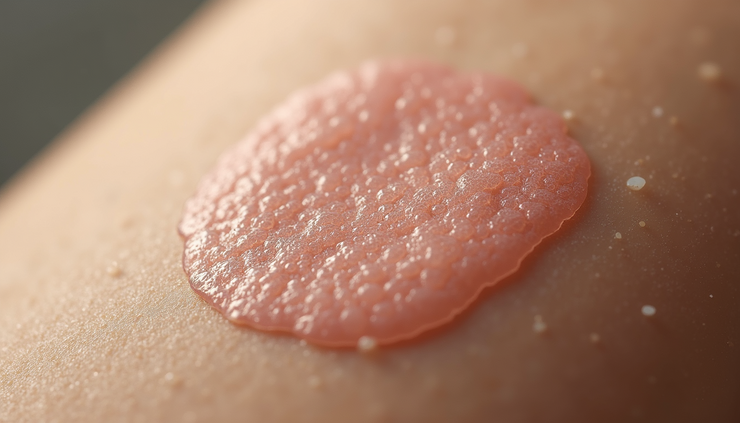
Changes in Moles or New Growths
One of the most critical skin signs to watch for is any change in existing moles or the appearance of new growths. Dr Rina emphasizes that moles that grow rapidly, change color, or develop irregular borders need evaluation. These changes can be early signs of melanoma, a dangerous form of skin cancer.
Look for these warning signs in moles:
Asymmetry: One half looks different from the other.
Border irregularity: Edges are ragged or blurred.
Color variation: Multiple shades of brown, black, or even red.
Diameter: Larger than 6 millimeters (about the size of a pencil eraser).
Evolving: Any change in size, shape, or color over time.
If you notice any of these features, schedule a dermatologist visit promptly.
Persistent Redness or Rash
Redness or rash that lasts more than a few weeks without improvement can signal underlying problems. Dr Rina points out that persistent redness might indicate conditions like eczema, psoriasis, or even skin infections. Sometimes, it could be a sign of autoimmune diseases or allergic reactions.
Pay attention to:
Areas that itch, burn, or hurt.
Red patches that spread or worsen.
Rashes accompanied by swelling or blistering.
Early diagnosis can prevent complications and improve treatment outcomes.
Unexplained Bruising or Bleeding
Skin that bruises easily or bleeds without injury should raise concern. According to Dr Rina, this could be a sign of blood clotting disorders, vitamin deficiencies, or even more serious conditions like leukemia. While minor bruises are common, unexplained or frequent bruising requires medical evaluation.
Watch for:
Bruises appearing without trauma.
Bleeding gums or nosebleeds.
Small red or purple spots (petechiae) on the skin.
If these symptoms occur, consult a healthcare professional for blood tests and further assessment.
Sudden Onset of Itching
Itching is a common symptom but when it appears suddenly and persists, it may indicate more than dry skin. Dr Rina explains that chronic itching can be linked to liver or kidney disease, thyroid problems, or even certain cancers. It is essential to identify the cause rather than just treating the symptom.
Consider these points:
Itching without visible rash.
Itching that disrupts sleep or daily activities.
Itching accompanied by weight loss or fatigue.
A thorough medical checkup can help uncover hidden causes.
Changes in Skin Texture or Thickness
Noticeable changes in skin texture or thickness can signal health issues. Dr Rina mentions that skin becoming unusually thick, scaly, or leathery might indicate chronic sun damage or skin conditions like lichen planus. Conversely, thinning skin can increase the risk of injury and infection.
Signs to monitor:
Rough, scaly patches that do not heal.
Thickened skin areas, especially on hands or feet.
Skin that tears or bruises easily.
Early treatment can prevent progression and improve skin health.
Yellowing of the Skin or Eyes
Yellowing of the skin or the whites of the eyes, known as jaundice, is a serious sign that should never be ignored. Dr Rina highlights that jaundice often points to liver or gallbladder problems, including hepatitis or bile duct obstruction.
If you notice:
Yellow tint in skin or eyes.
Dark urine or pale stools.
Abdominal pain or swelling.
Seek immediate medical attention to diagnose and manage the underlying cause.
Non-Healing Sores or Ulcers
Sores or ulcers that do not heal within a few weeks can be a warning sign of infection, diabetes complications, or skin cancer. Dr Rina stresses the importance of prompt evaluation for any persistent wound.
Look for:
Open sores that bleed or ooze.
Ulcers with raised or irregular edges.
Painful or enlarging wounds.
Proper wound care and medical treatment can prevent serious complications.
Sudden Hair Loss or Changes in Hair Growth
While not strictly a skin sign, sudden hair loss or changes in hair growth patterns can reflect skin or systemic health issues. Dr Rina explains that hair loss might result from scalp infections, autoimmune diseases, or hormonal imbalances.
Signs to watch:
Patchy hair loss or bald spots.
Excessive shedding or thinning.
Scalp redness, scaling, or itching.
Early diagnosis can help manage the condition and reduce hair loss.
When to See a Dermatologist
Dr Rina advises that any new, unusual, or persistent skin changes should prompt a visit to a dermatologist. Early detection and treatment improve outcomes, especially for serious conditions like skin cancer. Regular skin self-exams and awareness of your skin’s normal appearance are key to spotting problems early.


Comments